Finding A Quiet Place

Lorelei Savaryn reflects on the wisdom of finding quiet places, even when life is full. 


This letter is free for you to read, but it took time and energy to produce. If youโ€™re interested in supporting the work of This Catholic Family, I would be honored if you would prayerfully considerย upgrading your subscription. Or, you can alwaysย buy me a coffee here.

Since beginning spiritual direction last year, I have been learning more about and practicing Lectio Divina, a meditative kind of prayer where I immerse myself in a section of scripture. As a convert, this kind of praying was new for me. In my life as an Evangelical most of my prayer was me talking to Jesus. Lectio Divina is a lot of listening, and it is also a lot of just, as my spiritual director calls it, โ€œwasting time with God.โ€ย ย 

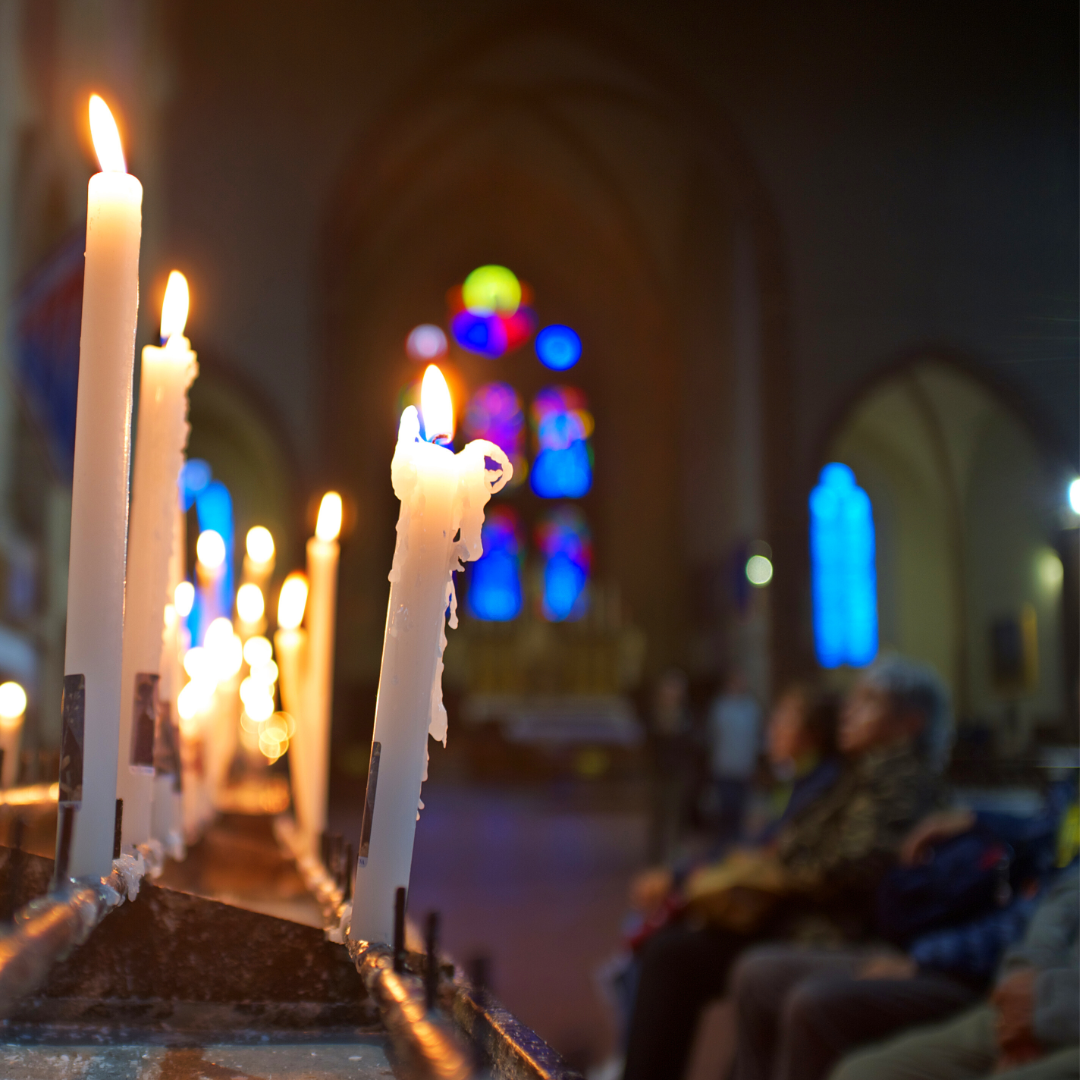
Of late, it has caught my attention during these prayers how often in the Gospels Jesus goes to a quiet place to be alone, or at least tries to. He has a difficult time finding solitude because of how intensely the people are pulled to Him, but still, time and time again, He withdraws to a quiet place. How like motherhood, I think, as I read these stories. It seems that almost every time I try to find some quiet, a little person comes near and needs something from me, whether it be a cup of milk or a hug. We sacrifice a lot of solitude as mothers, for the absolute best of reasons, and we can relate very much to Jesus in that.  

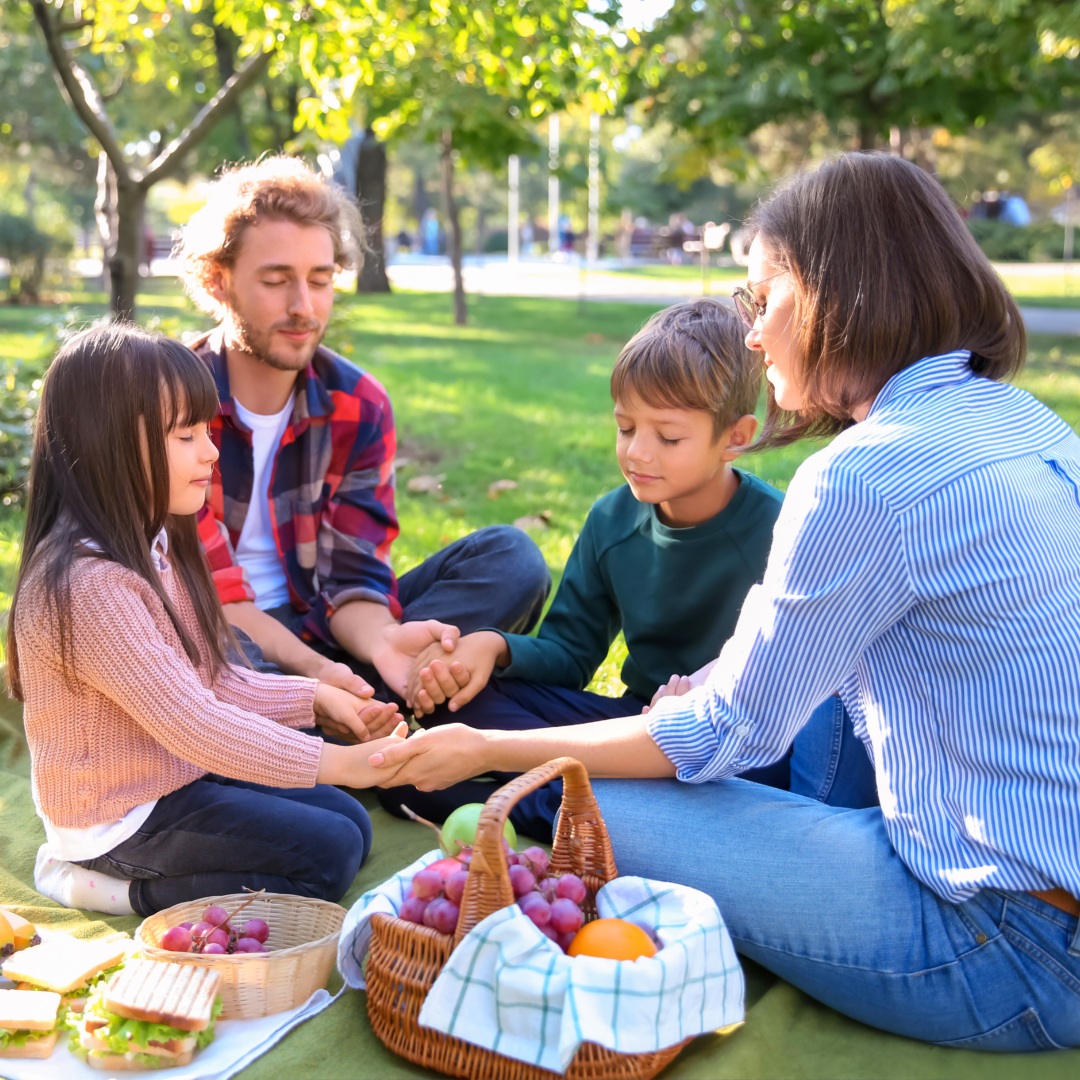
But I also think there is wisdom to be found in the fact that Jesus continues to make time to at least try to step away. Moving ourselves out from under the noise of the day to day, even for a little while, is beautiful, and it can be healing, especially when interwoven with prayer.  

null

It is my goal during this Lent to try more intentionally to make space for quiet places. And to hopefully meet Jesus there sometimes. Our barriers to finding quiet might look different from person to person, from home to home, but below is a list of some ideas on how we can carve out more solitude in our busy days as mothers. 

  • I find thatย I lose a lot of potentially quiet moments scrolling social media.ย It isnโ€™t always filled with physical noise, but it does bring in a mental noise that grabs at my attention, turning it this way and that. Perhaps choosing to not scroll, or to make set times each day when we avoid it will allow us to more easily dip our toes into a quiet place.ย 
  • I used to take short walks when my firstborn was a baby, and even those little stretches of time helped a lot in the middle of the fog of new motherhood. That baby is now twelve, and there are three others besides, and I find Iโ€™m still so quick to make an excuse to stay inside. Maybe itโ€™s too cold, or too windy, or not sunny enough, but I also know thatย whenever I still step outside and take a short stroll, it does wonders.ย To hear the wind in the trees, and the birds chirpingโ€ฆthere isnโ€™t much else like it. Maybe it’s possible to prioritize stepping away from everything for a short while a few times a week to take a solo stroll.ย 
  • I love listening to music. Listening to songs has always been therapeutic for me, and is one of my favorite forms of worship. I also find that more often than not, when I am in the minivan by myself, one of the first things I do is turn on the radio or hit play on a podcast. Thereโ€™s an opportunity for quiet there as well. Maybe we get so used to our vehicle being a noisy place, that its strange when we arenโ€™t accompanied by the noise of our kids. Butย I wonder what would happen if I let myself drive in the quiet for a little whileย โ€ฆ if I didnโ€™t turn on the noise.ย 
null

These are just a few suggestions that show up often in my life that I hope might be helpful. Perhaps others among us have different noise inputs in any given day, or maybe other moms have noise sources that they default to in a world where it can sometimes feel like the only response to being overstimulated is to find a way to zone out with a different source of stimulation. 

Click to tweet:
Moving ourselves out from under the noise of the day to day, even for a little while, is beautiful, and it can be healing, especially when interwoven with prayer. #CatholicMom

But I also think that Lent is a great time to examine our lives when held up to the life of Christ. And we know that he prioritized solitude, moving away from the noise, on a regular basis. He did it when he was able to steal away, and he did it still even if the people still found him. Jesusโ€™ pursuit of solitude teaches us that there is value to be found in seeking the quiet. There is value for us as mothers to find quiet spaces in our days and weeks. May the pursuit, and the times we enter into the quiet, draw us closer to Him. 

null

-Lorelei

What’s The Deal With Catholic Relics? (And how we ended up with one in our home!)

This letter is free for you to read, but it wasnโ€™t free for me to produce. If youโ€™re interested in supporting the work of This Catholic Family, I would be honored if you would prayerfully considerย upgrading your subscription. Or, you can alwaysย buy me a coffee here.

I am over seven years past my Catholic confirmation, and I did not really know much or think much about the relics of the Saints until recently. JP and I had been listening to The Exorcist Files, a great podcast that is engaging catechesis on the experiences of an official Catholic exorcist and the theology behind spiritual warfare and the demonic. The Priest, Fr. Carlos Martins, is also known as “The Relic Guy,” and in one episode, he shared how the relics of the Saints can be a useful tool in combating demons as they can cause demons considerable distress.

This prompted me to want to learn more about relics!

What Are Relics?

In brief, a relic of a Saint is either part of a Saint’s body, or something they owned, or something they touched. There are three degrees of relics:

1st Class Relics: These are parts of the body of a Saint (bone or flesh, for example)

2nd Class Relics: These are possessions that the Saint owned.

3rd Class Relics: These are objects that have been touched to a first or second class relic, or they can be objects that the Saint touched.

An interesting tidbit is that every Catholic church should have at least one relic inside the main altar! Might be worth checking with your local parish Priest to see if he knows whose relic your parish has.

Biblical References to Relics

I was also very interested to learn that there are many examples of relics being objects that God uses for His glory in several instances of the Bible. In 2nd Kings 13:20-21, we see a man being buried. He is cast into the grave of Elisha and upon touching Elisha’s bones (a first class relic), the man revives.

In Acts 5:15-16, people go out onto the streets hoping that even Paul’s shadow will fall upon them so they can be healed.

In Acts 19:11-12, handkerchiefs and aprons that Paul had touched (3rd class relic) were taken off to people who were sick or possessed and they were healed.

There are others, but even those three passages show us that God sometimes uses relics as a tool in healings. The relics themselves are not magical, nor do they have any power on their own, God is the one who heals, but his grace can reach us through the Saints in a mysterious way.

How We Ended Up With A Relic of St. Anthony

My kids love to bring home items from the “Free to Take” table at our parish. This often means we’re coming home with prayer cards, or pictures of the Divine Mercy, or little trinkets from religious organizations that send out things in the mail. One day this summer, I was rifling through a drawer in our kitchen that contained many items from the “Free to Take” table, and I found a relic of St. Anthony preserved inside a metal frame!

Imagine my surprise! Now, the relic is a very small piece of fabric, and is very likely a 3rd class relic- something that has been touched to a first or 2nd class relic, but it’s still really cool! We ask St. Anthony for prayers to God for things that we’ve lost pretty often, so it seems especially fitting that I “found” this relic that was right under our noses for a while!

Do Relics Matter?

At the end of the day, any healing or good that comes to us in this world is from God, but I do think it’s pretty awesome that God uses holy men and women, and even sometimes the objects that they owned or touched, to be a vessel for His grace. It’s another way to take something spiritual and to connect it with our tangible experience here on earth. Remembering the Saints and their lives and how they followed God so closely is becoming more and more of an inspiration to me as time goes on.

-Lorelei
Should Catholic Families Celebrate Halloween?

The Catholic History of Halloween, Trick-or-Treating, and Whether or Not We’ll Let Our Kids go to a Haunted House!

This letter is free for you to read, but it wasnโ€™t free for me to produce. If youโ€™re interested in supporting the work of This Catholic Family, I would be honored if you would prayerfully consider upgrading your subscription. Or, you can always buy me a coffee here.

The Halloween Dilemma for Catholic Families

As Catholics, we get a lot of mixed messages when it comes to Halloween. It was a even confusing holiday for me back when I was a Protestant Christian too! Many of the churches I went to opted for something along the lines of a Trunk-or-Treat hosted in the parking lot of the church vs. Trick-or-Treating. Some families didn’t celebrate the holiday at all, citing it as having evil origins and celebrating evil, which is of course something we want to avoid as people of the Christian faith.

The complication takes on a new layer when we need to navigate Halloween with our children. When there are Halloween parties at school and the opportunity to get tons of candy just by walking up to different houses.

So, how do we navigate Halloween and stay true to our Catholic faith? Below is an outline of what I have learned along our Catholic journey, and I hope it is helpful to you. That said, there is not one exact right way to navigate Halloween as a Catholic, and your individual family may make different choices in this area.

At the end of the day, our decisions hopefully lift us up in faith and draw us closer to God!

The Catholic History of Halloween

One of my favorite Halloween facts is that the word Halloween is an evolution of “All Hallows Eve.” As Catholics, we know that the Eve of something is the evening before a major religious event. Christmas Eve might be the prime example of this.

All Hallows Eve is the evening before All Saints Day! Hallow is a word that means holy, and so we are on the eve of a very holy day! In fact, Halloween, All Saints’ Day, and All Souls’ Day form a Triduum of Death- which isn’t really something to be scared of at all.

On All Hallows Eve, we anticipate the Holy Day of All Saints’ Day.

On All Saints’ Day, we celebrate and ask for the intercession of those who are in perfect union with God in Heaven.

On All Souls’ Day, we pray for the not yet holy dead.

These days also remind us of the inevitable end of our own earthly journeys and our progress toward heaven. By remembering our death, we are inspired to turn more fully toward God, and to live each day well.

But the truth behind of Halloween can get confusing when we set it into our culture.

For our Protestant brothers and sisters who don’t believe in purgatory, ghosts take on a more sinister form, and are often viewed as evil in nature. People who practice paganism are quick to claim the holiday as their own, but that conclusion lacks significant historical context or backing. Unfortunately, in all practicality, these two factors combined obstruct the Catholic origins and meaning of holiday (origins: holy day) and cause misconceptions and confusion.

Those factors don’t change the Catholic origins of Halloween, but they can make it more difficult to see the truth through all the noise.

Trick-or-Treating

All that is to say that yes, we allow our children to dress up and go trick-or-treating. There is evidence to suggest that this particular tradition originated in Europe from the baking of soul cakes on All Hallows Eve. On All Saints’ and All Souls’ Day, children would go from house to house begging for the cakes and promising to pray for the deceased relatives of the cake-givers in return.

Modern trick-or-treating is no longer connected explicitly to praying for the dead, but a Catholic family could easily offer up prayers for the deceased loved ones in the neighborhood we trick-or-treat through.

One rule that we follow in our home is that we don’t allow costumes that glorify anything evil. I’ve seen a lot of great ideas for costumes that feature people from the Bible or Catholic Saints, but so far our kids have mostly shown interest in dressing up like characters from their favorite movies and shows. This year, I believe we will also have one taco in the house.

Haunted Houses, Yes or No?

We have, however, decided as a family that haunted houses will not be part of our Halloween traditions, even as the kids get older, as long as they live in our home. This might sound strange to anyone who knows me and who knows that I write spooky stories for young readers, but allow me to explain.

I enjoy reading and writing spooky books. I like watching spooky movies. But, really, I should be more specific when I say things like that because what I mean is that I like spooky things that elevate what is true and good. Any book I write or recommend for kids that has spooky elements, will ultimately show good triumphing over evil in the end. It will highlight goodness, truth, and light, and even though the characters might face something scary, evil will never win. Those are important lessons for kids and adults alike, and we can use reminders of the reality of evil, but also of the healing power of God and the hope that comes from fighting for what is good and right.

I believe that haunted houses fall into a different category entirely. Haunted houses often glorify evil for evil’s sake. Their goal is to highlight and emphasize the truly scary and dangerous, and to turn those things into a form of entertainment. There is no redemption at the end of a haunted house. A haunted house simulates a world in which evil has won, and that isn’t the kind of thing we want to spend our time, energy, or money on.

Of course, we can’t control what our kids will do when they’re grown, but we hope we are able to teach them the difference between something that is scary but points to truth and something that glorifies evil before they head out on their own.

How to Have a Catholic Halloween With Your Family

In conclusion, there are many ways to continue the religious traditions of the Triduum of Death.

We can ensure that our families don’t partake in any of the cultural traditions that glorify evil, whether through visiting haunted houses or choosing costumes that represent characters with. an evil nature.

We can call to mind the progression of our life, our death, and our ultimate destination by praying for the deceased of the homes we trick-or-treat at, and attending All Saints’ Day Mass (a Holy Day of Obligation!), as well as All Souls’ Day.

We can have healthy conversations with our kids when they ask us about things like ghosts, haunted houses, and our beliefs surrounding good vs. evil and death. We can educate ourselves on Church teaching on these matters so we are ready to answer their questions as they come and can be ready to instruct when opportunities arise.

All in all, I believe that understanding the Catholic roots of Halloween can be enriching and edifying for Catholic Families. I’d love to learn in the comments if you have any particular ways you navigate this holiday with your families too!

Sources for this article and for further exploration:

Halloween and the Triduum of Death

Trick-or-Treat is Harmless Fun

The Catholic Origins of Trick-or-Treating

Do Ghosts Really Exist

-Lorelei
Navigating Aging While my Daughters Look On

This letter is free for you to read, but it wasnโ€™t free for me to produce. If youโ€™re interested in supporting the work of This Catholic Family, I would be honored if you would prayerfully considerย upgrading your subscription. Or, you can alwaysย buy me a coffee here.

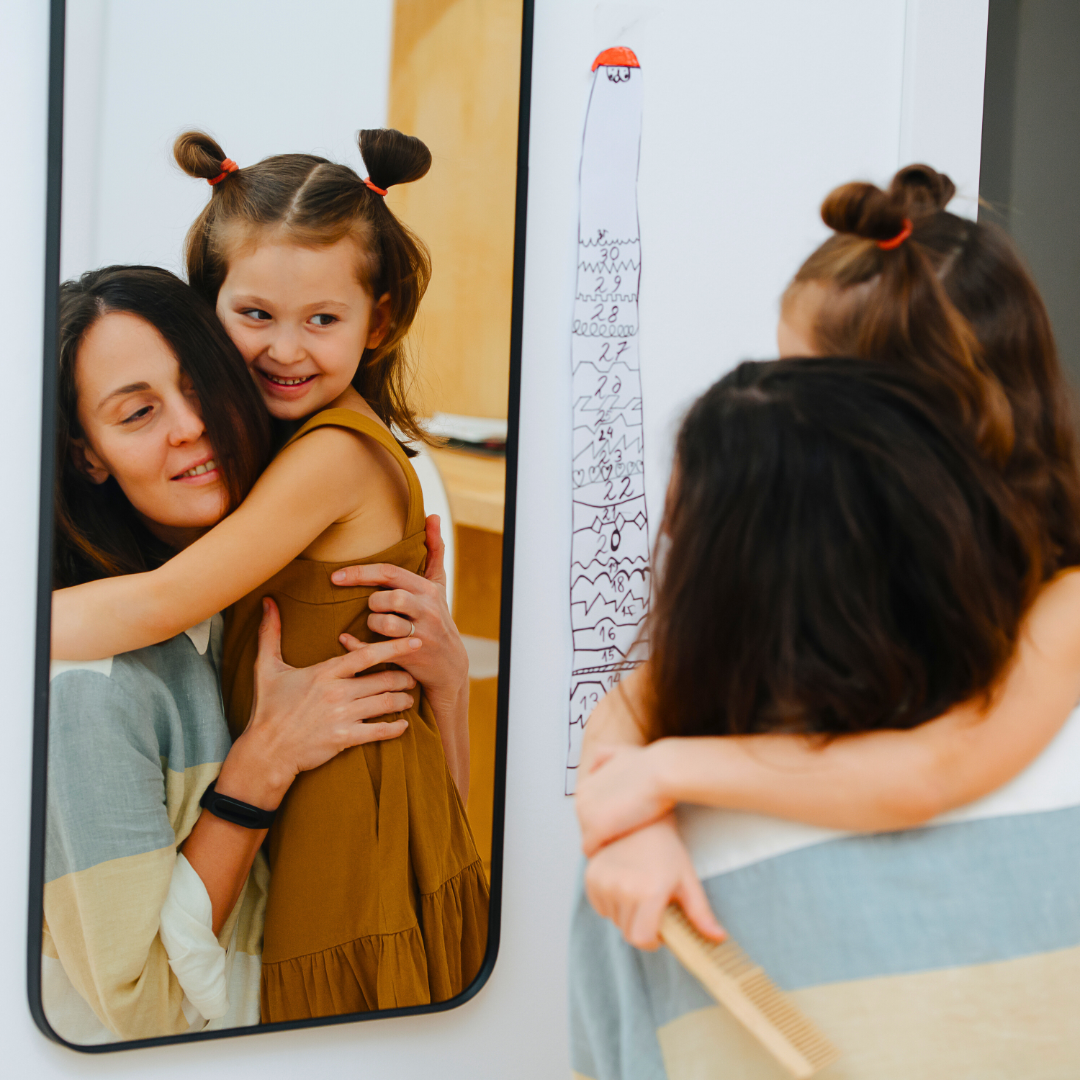
As I write this, Iโ€™m in my late thirties and Iโ€™m beginning to notice some signs of age when I look in the mirror. There are a few gray hairs, there are lines on my face that didnโ€™t used to be there. My skin is sagging in places where it never used to sag. There are moments where I see a little glimpse of my grandma in the mirror more than the younger versions of me.ย ย 

And as I notice these changes, I also am ever aware of the three little girls in my home who watch the things I do, the things that I say. Girls who are getting their roadmap for how to live, for how to be a woman, from meโ€”their mom. 

null

Something that I noticed about myself immediately was that my first thoughts about my aging body were that I need to hide it, I need to fix it, I need to do something about it. I think a lot of that gut reaction comes from the culture I live in. Itโ€™s a culture with an entire industry focused on erasing the signs of aging, thatโ€™s obsessed with eternal youth. Anti-wrinkle, anti-aging, anti-dark spots, anti-gray hair. The messaging is so loud that I didnโ€™t even have to try for it to embed itself in my mind.   

Something that was really helpful for me was to become aware of those internalized reactions, and instead of accepting those messages as true, to question them. To pause a moment and wonder: how do I wish my daughters would think about themselves when they reach this stage of life?

Whatever the answer, I had a strong feeling that I needed to retrain myself so I can model graceful and grateful aging for them somehow. 

null

I know that we are a body and soul composite, and our bodies are deeply a part of who we are as beings made in the image of God. Our bodies matter. They matter in many ways, especially because our bodies are how we experience the world around us, how we live our story. And when I started thinking about our bodies as the keepers of our stories, I began to find a new way to look at the signs of aging in myself.ย ย ย 

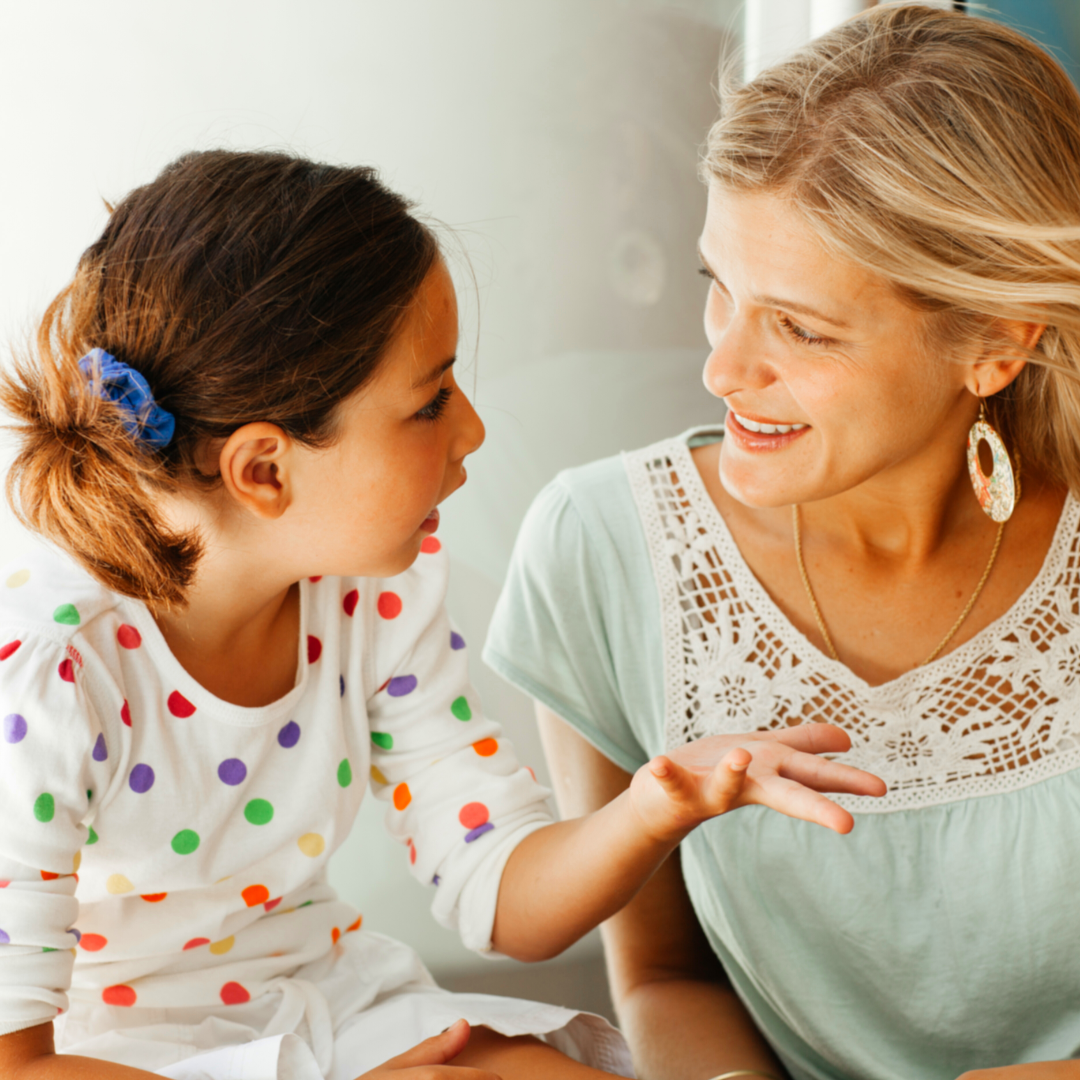
That, in turn, is helping me talk about aging with my daughters.  

As an example, one of my daughters recently pointed to the crinkle lines beside my eyes and asked why I have lines there. I leaned over and smiled and showed her that when I smile, my skin folds into little rays shooting out from the corners of my eyes. I told her that our faces show our feelings, and, after a long time, they remember our feelings, too. The lines around my eyes means that Iโ€™ve smiled a lot, and my face remembers it. My face helps to tell my story.  

Another time, another daughter asked me about my stretch marks. I was able to tell her that my body had to make room for each of the four babies I made, and that my stretch marks show that part of my bodyโ€™s story, a part that Iโ€™m grateful for every single day.  

I think graceful aging can mean different things to different people, but I do know deep down that age is something to be proud of. Not everyone gets to grow old, and I donโ€™t want to pass along the message that we absolutely need to hide our age, or fix it, or do something about it. 

Click to tweet:
I want my daughters to one day look at their aging faces and to be kind. To be grateful for the stories their bodies tell. #CatholicMom

In thinking about how I want my daughters to react when they begin to see signs of their own aging in the mirror, more than anything, I realized, I want my daughters to one day look at their aging faces and to be kind. To be grateful for the stories their bodies tell. And I hope to help them along that path, and to help myself, by modeling that now and giving them a different message than the anti-aging industry proclaims. I want them to remember their mother looking in the mirror and smiling, and talking about her wrinkles, and showing gratitude for all the things her body has done and continues to do. And I hope they choose to do the same. 

null

Sign up here to receive an email whenever we publish a new post!

-Lorelei

How Saint Zรฉlie Helped Me Stop Comparing Myself to Other Moms

This letter is free for you to read, but it wasnโ€™t free for me to produce. If youโ€™re interested in supporting the work of This Catholic Family, I would be honored if you would prayerfully consider upgrading your subscription. Or, you can always throw a little change in the tip jar here.

Today is the feast day of Saint Zรฉlie Martin, and while I am no liturgical living professional, this is one of the feast days I always like to mark with a little something special.

A little bit of background on Saint Zรฉlie. She and her husband Louis were both on a path toward religious life when they met each other and learned that God had asked them both to the vocation of marriage together. They had nine children, four of which who died while very young. Her surviving five children all went into religious life, the most well-known of which is St. Thรฉrรจse of Lisieux. She saw a lot of hardship. She and her husband are a great example of a holy marriage. She ran her own very successful lace business as well.

I learned about St. Zรฉlie’s canonization and named our fourth baby Zelie in honor of her. Since then, St. Zelie has held a very special place in my heart, one that I lean in to and understand a bit more with each passing year of life, in particular as I grow in my understanding of my vocation as a mom.

The Temptation to Compare

Ever since becoming a mom eleven years ago, I have been fighting some sort of comparison battle inside my mind and my heart, all while trying to figure out my own identity as a mother. In the early years, the question of what should a Christian mom look like? loomed large. When I converted, I substituted the word Christian for Catholic and continued to ask.

Some of the churches we attended and people we hung out with had stronger messages for us than others. You need to stay at home, you need to homeschool, you need to coupon, you need to clean with vinegar, you need to bake your own bread, you need to not have a job, you need to have a side gig that contributes to your income, you need to remember all the liturgical things, you need to pray the rosary every day with your children, you need to keep a lovely home…these messages and more swarmed, faster and faster, louder and louder. Some of the messages contradicted other messages entirely.

Social media did not help.

Photo by Andrea Piacquadio on Pexels.com

Why We Recruit

Now, not all the moms I compared myself to were actively recruiting their lifestyle as the absolute only way to be a Catholic or Christian mom, they were often just sharing from their passion and joy, which is a lovely thing to behold. Some, however, were. Some of the messages were more implicit in the church or online community, but still there.

And I think I get why we as humans are sometimes tempted to take what works for us and prescribe it for others, especially in motherhood. Motherhood is so intimate, so vulnerable, and so personal. We don’t want to mess it up. It isn’t comfortable to look around us and feel like we’re the only ones doing what we’re doing. The moms I know, myself included, are often questioning our decisions on a pretty regular basis. Is it the right call to stay home? Is it the right call for me to work? The right call to homeschool/private school/public school? And the list goes on.

It can feel a lot less lonely to be part of a pack. Finding or recruiting people with likeminded philosophies says “You do what I do, and that affirms that I picked the right thing. Then I’m doing it the right way.”

A Different Path

My suggestion isn’t that we stop talking about or sharing the things we’ve found helpful, or the mothering style that brings us joy. My suggestion is that we avoid saying that the way God has asked us to live out this vocation is the way that God is asking all women to live out this vocation. And, for those of us on the receiving end, that we reframe how these messages impact us.

Turns out, St. Zรฉlie didn’t stay home full time. She also had in-house help. She ran a business. Her kids began their education at home for a time. Learning about St. Zรฉlie’s life helped me see that she didn’t live like any one cookie cutter Catholic mom box, and she became a Saint. Her life helped me feel free to live the unique Catholic motherhood I am called to each day.

For me, that has looked like staying home when a new baby is very young, but eventually returning to work. My jobs are usually in education, and allow me a similar schedule as the kids. The professional fulfillment makes me a better wife and mom at the end of the day. I am a creative person, and I need a creative outlet. Mostly, that outlet comes in finding time to write. I write short and long essays for the web, and I write fiction books for young readers. Sometimes I play with watercolor markers. Sometimes I read. I am also an introvert. That means I need to carve aside time to be alone. My family can tell if I’ve gone too long without a little stretch by myself, and it is okay that some alone time is important to me. When those things are in place, all the family stuff…the family dinners, the bedtime stories and prayer, the request for a push on the swing, all of that is better and richer and more vibrant because I am embracing and respecting who God made me to be as a person and therefore as a mom.

This realization, that we have never been meant to do it one specific way, completely changed my view. I was able to admire and respect the Catholic moms with particular approaches or particular strengths. Hooray for the liturgically awesome mom! The aesthetic home mom! The daily rosary mom! The homeschooling mom! And hooray for me and the mom I am too!

It was incredibly freeing to be able to separate the idea that I have to do what other moms do, and to celebrate the diversity of Catholic motherhood that exists. It was exciting to realize that doing Catholic motherhood in the way that matched the way God made me and my unique family was not going to look like a carbon copy of another family, another Catholic mom, but that all these things could be very, very good.

Some Questions For The Journey

As mothers, we can too often absorb the message of unhealthy self-denial. Yes, of course we are supposed to deny ourselves in terms of offering ourselves up for the good of another. But we also are meant to become fully who God made us to be, and the things God has put inside our hearts are intrinsically good. Intrinsically unique. And they are meant to shine.

Here are some questions to consider as we all continue on the journey toward embracing and growing into the person God made us to be.

When do you feel most alive as a person, woman, and mother? Under what circumstances do you see the world in full color? When does your heart feel so full it might just burst? When are you most grateful? What things do you long for, and what might those longings teach you about yourself? What might a life look like for you and your family that integrates your uniqueness? Whether your have felt pressure from yourself or from others, what steps can you take to let go of that now?

None of us are meant to be copies of another woman, another Catholic mom. We are all meant to be glorious and beautiful in our uniqueness. We are meant to celebrate each other, to lift each other up.

Like snowflakes, no two of us are the same.

St. Zรฉlie, pray for us.

Amen

Want to Read More From This Catholic Family?

Sign up here to receive an email whenever we publish a new post!

Carving Time For Rest

As an introvert mom to four and Catholic school teacher, I know two things to be true. I love working with youth and being a mom. I also know that I am often overstimulated, and that in order to do my job and my parenting well, I need to set aside regular time to rest.

Easier said than done in the day-to-day hustle and bustle, but when I donโ€™t rest, many of my less-than-amazing traits shine through. The impatience, the feeling overwhelmed, the irritability. The need has always been there, but rest has looked different at different phases of life for me. There hasnโ€™t been a magic rest recipe that has worked well all the time. There have been times when I have tried to rigidly schedule rest, but I found that certain days I need certain things more than others, and sometimes the scheduled “rest” didnโ€™t match what I needed at all, and therefore it felt more like a burden than anything else.

null

So I let go of the rigidity, and recently, here is what Iโ€™ve done that Iโ€™ve found helpful. And I hope some of you may find it helpful, too.

I started by making a list of things that recharge me. Things that, for me, constitute as rest. Some items on the list were a hot bath, reading a book, enjoying a nice glass of wine with my husband, writing or creating something, taking a walk, prayer, journaling, just sitting in a quiet space, taking a nap, doing a workout, and so on.

And then, rather than sticking to some regimented schedule of predetermined rest activities, I allow myself the freedom to choose what would best help me in that given moment. I do this by taking care to be mindful throughout the week of how Iโ€™m feeling. Am I overstimulated? Maybe I need to let my husband take care of making dinner so I can go enjoy a quiet bath when he gets home from work. Am I low energy? Some days, I might cure feeling tired with an energetic workout. Others, I may shut my eyes for a little while for a nap.

Iโ€™ve learned that right now a lot of my rest involves accepting the introvert inside me and stepping away from people for a little while, whatever that looks like. When I do that, Iโ€™m much better for everyone when I return.

One thing that remains relatively constant is setting aside regular time to pray. This often happens early in the morning, before the rest of the house has stirred. Itโ€™s not natural for me to get up at 5:00 AM, or even 5:30, but it is the best chance I have at quiet before the day begins for everyone else in my home. I do this four or five times per week, and it acts as an anchor to my days.

Click to tweet:
It can be very easy for us moms to push aside our need for rest, to put the needs of others above our own. #CatholicMom

It can be very easy for us moms to push aside our need for rest, to put the needs of others above our own. I often smile when I think that even God rested, and I feel the value of rest in my soul when I see how much better I am for those I love and serve when I prioritize resting too.

Rest will not look the same for every person, and it probably wonโ€™t look the same every day, but if we can take time to recognize the things that recharge us, and allow ourselves to take the time when needed, then I trust that we are better equipped to live our calling in whatever phase of life God has us in today.

null

(Note: This article originally appeared on Catholic Mom)

Different Kinds of Catholic Moms

I think how we raise our kids in the faith is likely formed, at least to some extent, by how we were raised in our own. If we had a good experience that developed a rich faith life, or if we encountered struggles or poor examples or formation in some way still lingers in our minds and in our hearts.

There are moms who do an amazing job at liturgical living, or who are faithfully and frequently found with rosary beads in their hands. Moms who take their kids to Adoration often, to Confession often. Moms who homeschool and love it.

Since converting to Catholicism in 2016, I have tried on many different Catholic-mom hats. We do love celebrating liturgical days and feasts, but not all of them. We do love praying the Rosary, but itโ€™s not my most frequent devotion. We love going to family Adoration, and would love to do that more often than we have. There were many parts about homeschooling that I loved, but in January of this year we enrolled our kids at a local Catholic school and I am beginning work there as a teacher. That particular move has been better for our family in many ways.

At first, I think I felt like I wasnโ€™t a complete Catholic mom, in some ways, because I didnโ€™t fit neatly into one of the boxes I had created in my mind about what a Catholic mom should be. But over this past year, that has changed. I am realizing that Catholic moms come in as wide a variety as the women who embody that name.

null

And, for me, I have come to accept that the thing that I lean most into as a Catholic mom is encouraging my kids to think deeply about the faith, to ask good, rich questions, and then to walk them down a path of knowing that there are deep, good, rich answers to be found. I also want them to love the liturgy, to see the beauty in ritual and tradition, and to know that we are connected profoundly to the Christians who have come before us.

This is likely formed by my childhood growing up in a fundamentalist-leaning but also somehow charismatic evangelical church. I was taught that faith and science are sometimes at odds with each other. I didnโ€™t know there was depth to be found past the basic tenets of the Gospel, and when I became an adult my despair that there may not be deep answers to be found lead me towards agnosticism.

My husband had similar experiences within the Catholic Church, where he grew up knowing the rules but not understanding why they were there.

null

So, together, it has become very important for us to let our kids ask questions, to explain the whys of our faith, and then to hope and to trust that when they go off on their own some years from now, that they will find they have a firm foundation to stand on. My prayer is that they will feel safe at home.

I am the Itโ€™s okay to wonder and ask deep questions kind of Catholic mom, along with a sprinkling of the other kinds too. And thatโ€™s one of the beautiful things about our faith: that rich diversity is what makes the Church. God has given us each unique passions and gifts and calls, and we can all be ourselves fully within our Catholic home.

Click to tweet:
What parts of your faith formation impact how you raise your kids as Catholics? #catholicmom

Iโ€™d love to learn what you lean into in your motherhood as a Catholic.

What parts of our faith bring you joy to share with your children?

What parts of your faith formation impact how you raise your kids as Catholics?

null

-Lorelei
Note: This article originally appeared on Catholic Mom.

When The Idea of Homemaking Makes You Cringe A Little Bit

As someone who has spent most of my life in the Evangelical world, and who has spent the last few years in the Catholic world, ‘homemaking’ is something I’ve heard often in both places. There are books written about homemaking and podcasts about it. People talk about itโ€”and we seem to all know what the idea of homemaking means.

When I think of the word homemaking, it conjures up images of throw pillows, and softly slung blankets across the arms of chairs. Fresh baked muffins and clean floors. Cute little artsy things on the walls and mantel that were probably purchased from Target or Hobby Lobby. A friend and I were talking recently about how even those more ‘surface’ level connotations are kind of difficult to swallow sometimes, especially if there are stains all over your pillows and couches from grubby little fingers, or if you don’t enjoy hanging cutesy things on the walls.

But there are some deeper connotations, too, and I wonder if other women feel the same way.

It’s not that I don’t want to make my house a home, it’s that I don’t want to feel like ‘home’ has to look a certain way for me to fit my identity as a Catholic Christian woman.

We stopped homeschooling in January, and that has been the best thing for our family. I haven’t always been a stay-at-home mom. I’m currently the owner of a mobile children’s bookshop and an author of middle-grade novels, but I’ve also been a teacher. Our home has looked different in all of those seasons, but I don’t think that at any point it has been any more or less a home.

null

Sometimes my husband does the laundry. Never do either of us iron any of our clothes unless we’re going to a wedding. I can’t sew anything more than a button. I am horrible with yeast. Do not ask me to make anything that requires ‘rising’ because it will not work. But these are all things that I’ve felt, at one time or another, has been presented as the proper way to make a home by women in faith communities, both Evangelical and Catholic.

I think it may be helpful for us to reframe our idea of what homemaking means. To broaden it, and give it room to breathe. To create space for the diversity of women of faith, our unique gifts and strengths, and the different phases of our lives.

What about leaving the floor for later and going outside to play with your kids? That’s homemaking too. Really, really good homemaking. What about letting the grubby little fingerprints on the fridge go so you can sit down with a coffee and read a book? That’s homemaking, because our peace of mind impacts everyone else. What about letting go of the expectation that we need to entertain our kids all the time to the point that we burn out, and accept that creating a stable home with a predictable routine is also making a home?

Click to tweet:
A pretty house can be an indicator of a true home, but it also can cover up struggle. #catholicmom

null

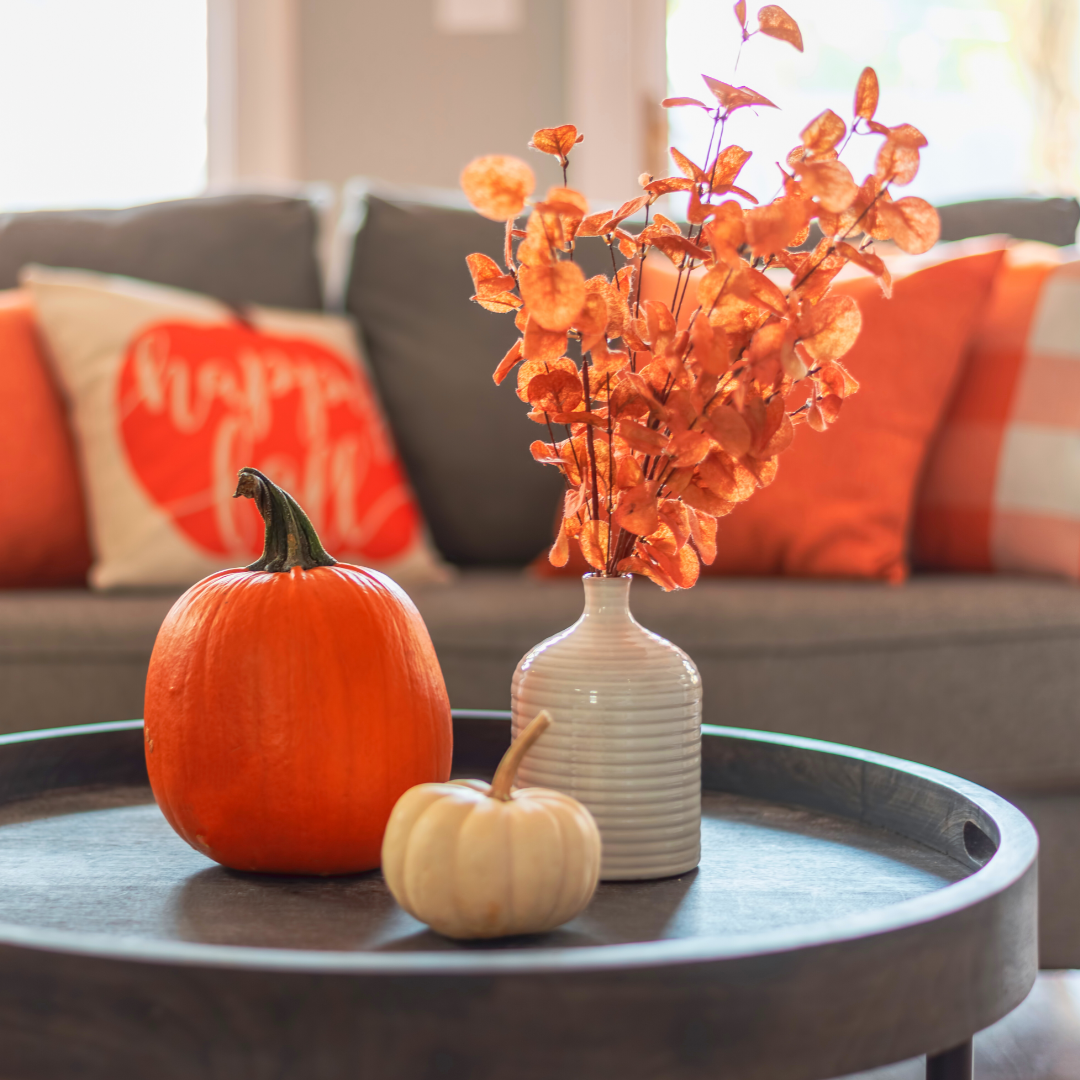
While I personally love a good throw pillow, having seasonal throw pillows does not make a home. I am a big fan of creative ways to display pumpkins in the fall, but having decorative pumpkins is not in any way the essence of homemaking either. I’ve seen too many situations that look amazing on the surface, but when you peel back a few layers, you see a lot of brokenness and hurt. A pretty house can be an indicator of a true home, but it also can cover up struggle. And when we equate these superficial, first world Christian Woman expectations with being a Good Catholic Mother, then I think that leaves room for us to hide the struggles, or puts pressure on us to do things that may not be our strengths.

In the end, true homemaking is about a safe, and joy-filled, and peaceful home where hearts are safe to grow into what God made them to be.

That’s it, that is homemaking. That is making a home.

I’d love to hear what you think about homemakingโ€”if it’s a concept you’ve embraced (which is great, if that’s you!), if it’s a word that you also struggle with, or if you just have never carried the emotional burdens like I have (haha). I’d love to know your thoughts.

null
This article originally appeared on CatholicMom.

Five Home and Decor Ideas for Catholic Moms

Iโ€™ve been finding great joy lately leaning into my โ€œCatholic Mom-ness.โ€ The list below is built of little, thoughtful things beyond the crucifixes and rosaries that are often found in a Catholic home. They have made me smile time and time again in the middle of the noise that is raising and homeschooling our four kids.

Enjoy!

St Zelie motherhood t-shirt

St. Zelie Motherhood T-Shirt

One of my favorite Saints of all time is St. Zelie Martin. In fact, I admire her so much that we have a daughter named Zelie! So when I found this shirt, containing one of Zelieโ€™s quotes that has most inspired me as a parent, I had to put it on my Christmas list this year. The fabric is so soft, which is an added bonus! Available on Etsy and CaelistiCo.com.

20220117 LSavaryn 2

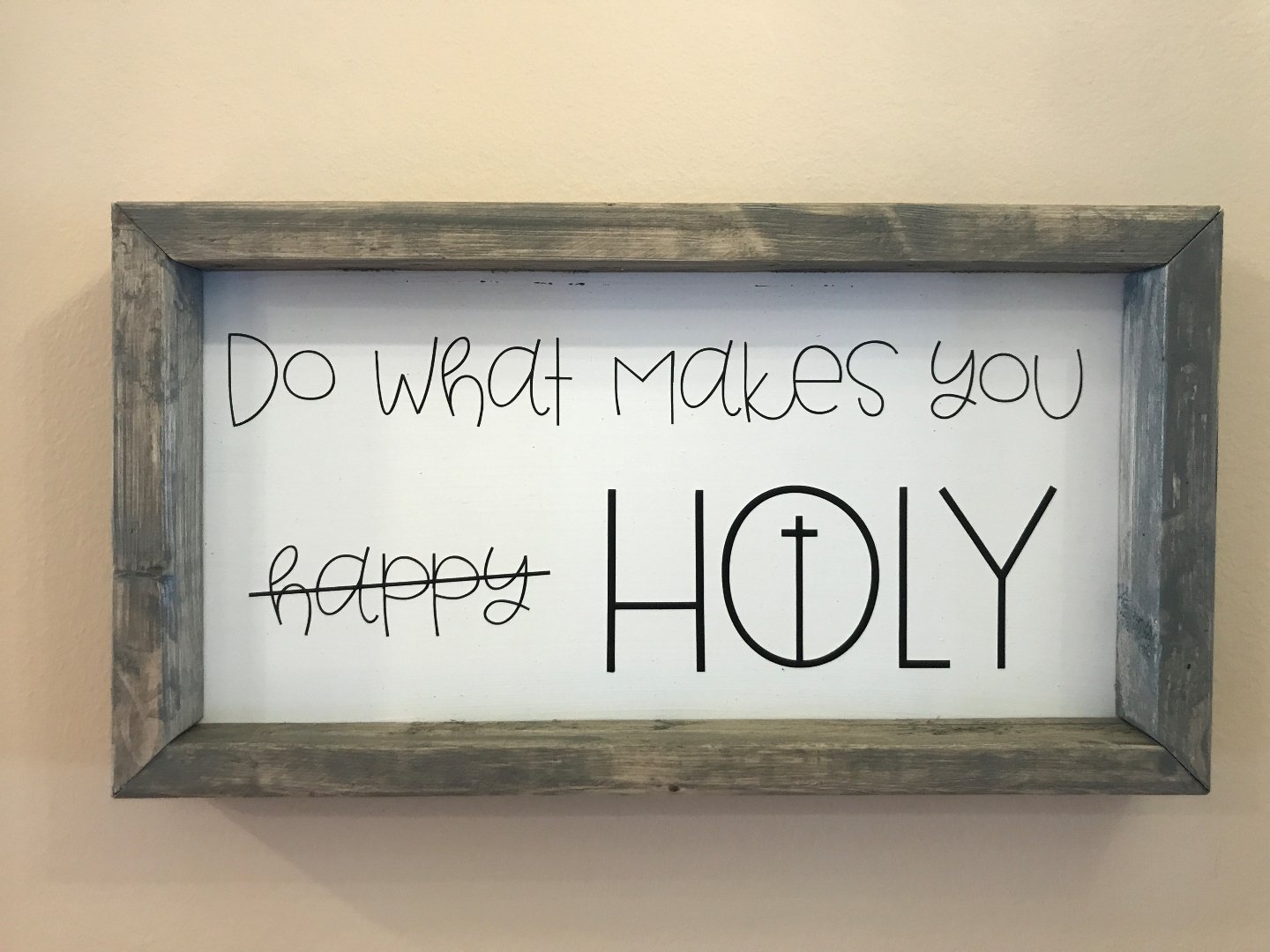
Do What Makes You Holy Wall Art 

Our culture promotes the god of happiness pretty much everywhere we look. โ€œThis toy will make you happy, this skin cream will make you happy, this car will make you happy.โ€ Weโ€™re trying very hard to teach our kids that the only thing that will truly make them happy is God, and growing into the person He created them to be. Weโ€™ve hung this wall art in a prominent position in the hall that everyone passes by multiple times a day as a sweet yet poignant reminder.

Hardy Design Boutique, a lovely Catholic shop on Etsy, offers this sentiment as a keychain, sticker, and sometimes wall art as well.

For $5, Rosebud Print Design also offers a printable download of this beautiful truth that you can frame yourself.

Raising Saints Requires More Coffee

Raising Saints Requires More Coffee Mug 

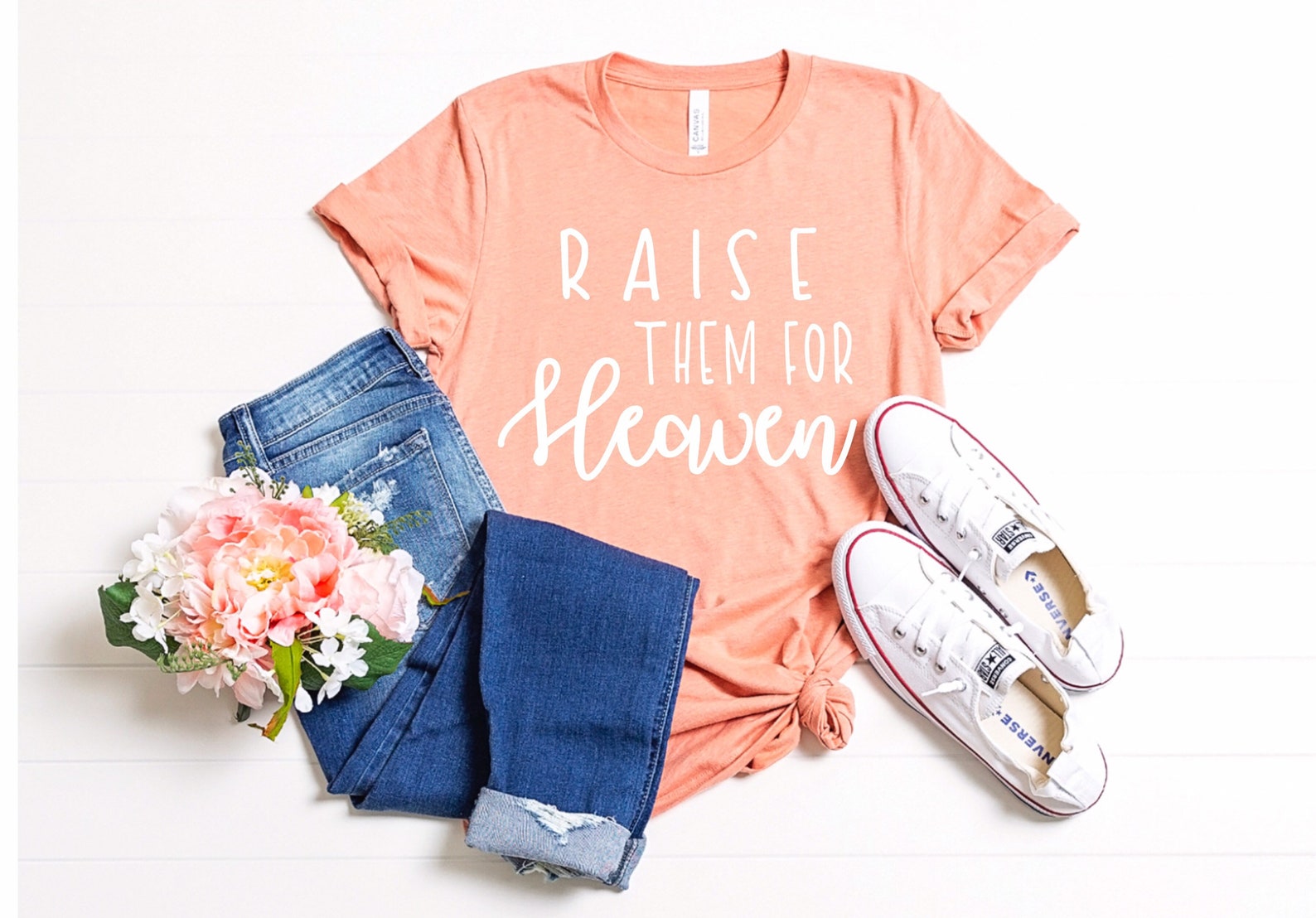
I use this mug from Cause Of Our Joy Studio almost daily! It reminds me of the truth that I am raising my children for God, but that it is a big task, and that coffee can be helpful. And when things get a bit overwhelming, it makes me smile and brings me back to the most important things.

20220117 LSavaryn 3

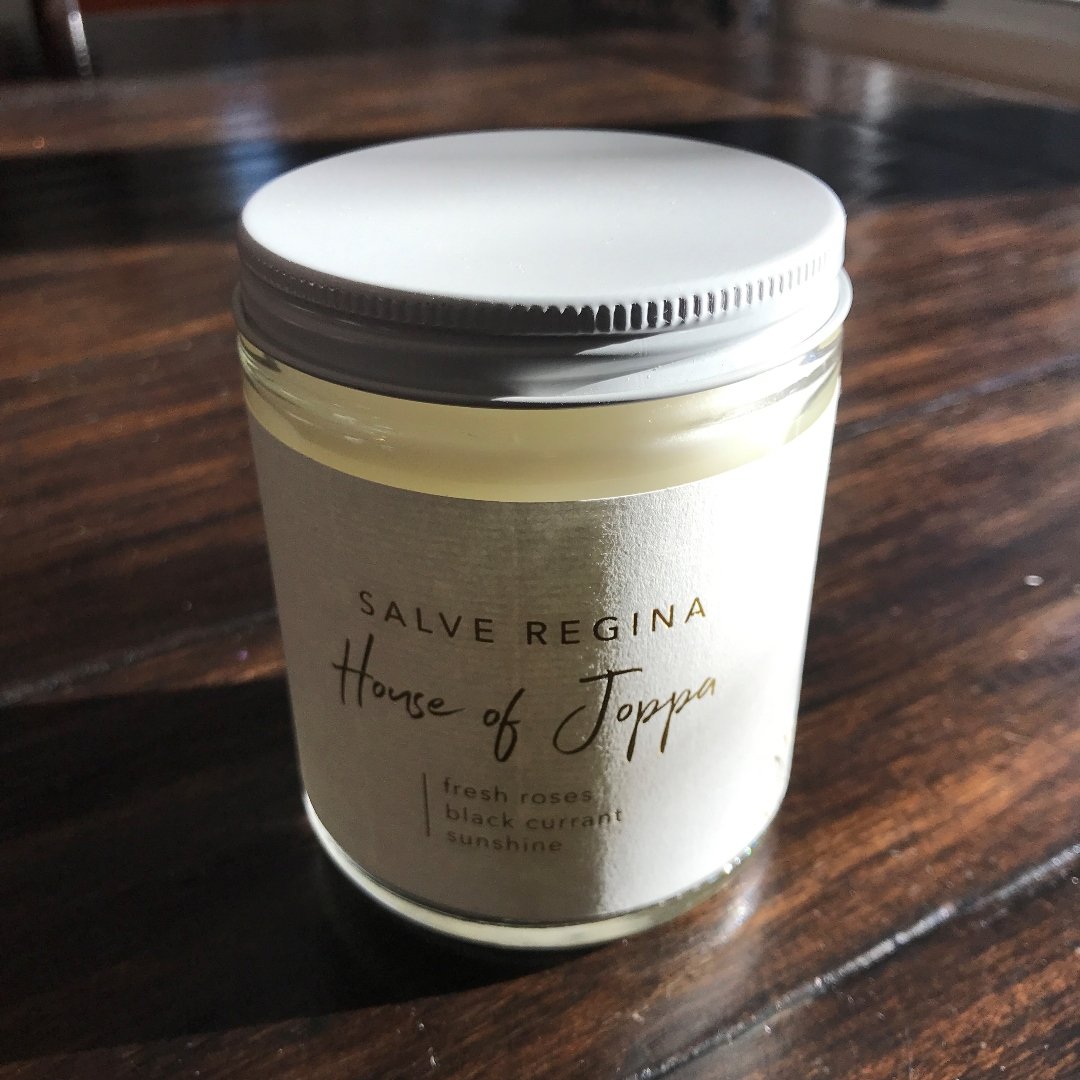
Salve Regina Candle 

I think we moms can sometimes tend to brush aside self-care in favor of giving everything to our families. I got this candle from House of Joppa recently in order to remind myself that part of being a good mom is making sure I take care of myself, too. It has become my frequent companion when the 2-year-old is napping and I take a bit of time to sit and read. Little moments can become luxuries with intentional details like the gorgeous scent of this candle, built of roses, black currant, and sunshine.

There are so many fun and innovative ways to embrace Catholic living, direct from amazing Catholic creators! #catholicmom

20220117 LSavaryn 1

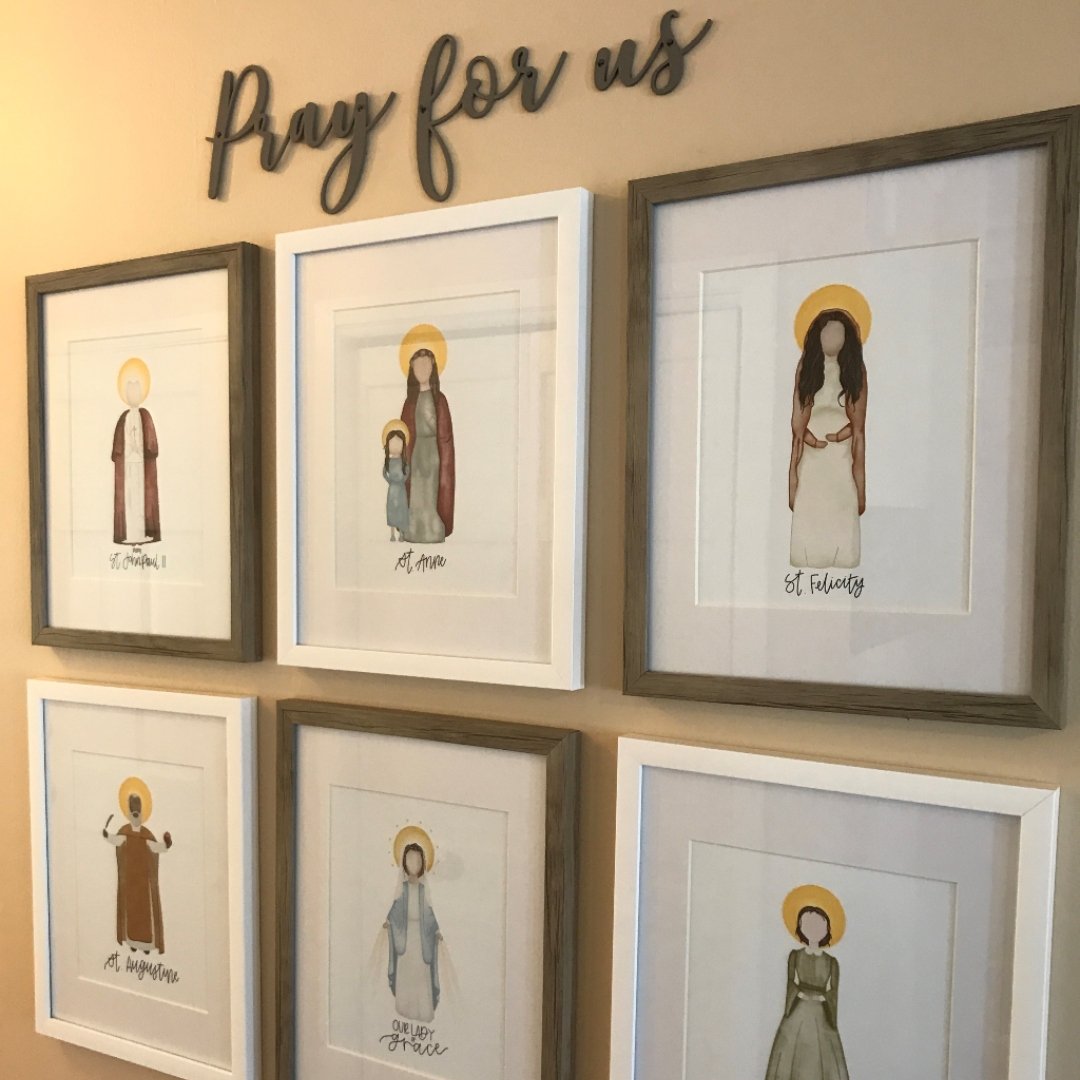
Saint Wall Art

If youโ€™re looking for fresh artistic representations of the saints to display in your home, then MrsTorresCreates on Etsy might just be the shop for you. Each member of our family has either a first or middle name after a saint, and we ordered a beautiful colored print of each saint from this shop to frame and put on the wall of our house, with a metal โ€œPray for Usโ€ sign directly above it. I love classic representations of the saints as well, but these paintings fit so nicely with the aesthetic of our home, and I was delighted to find the great variety of saints the artist has available.

There are so many fun and innovative ways to embrace Catholic living, direct from amazing Catholic creators! These are only a few, but theyโ€™ve made a difference in our home in the best of ways.

Note: This article originally appeared on Catholic Mom.

The Hidden Blessing in Being Interrupted

A few days a week, I get to a point where I ask (usually in exasperation): โ€œWhy canโ€™t I even just finish a single thought?!โ€

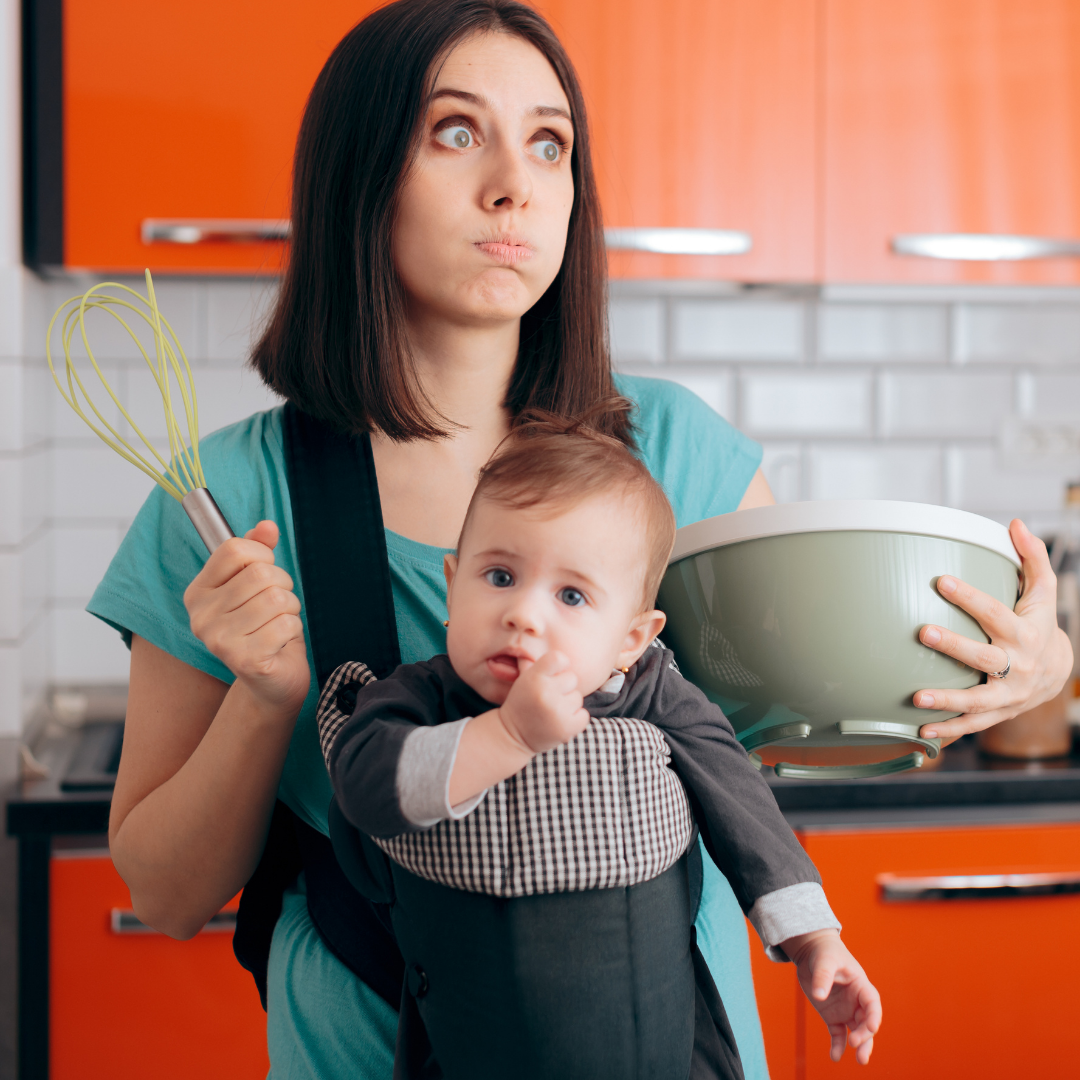
Itโ€™s often after hours of homeschooling the kids, trying to place online grocery pick up, folding a basket of laundry, sending a few emails, feeding the children, in a flurry that often feels like a juggling act in a domestic circus. I will freely admit that I sometimes donโ€™t juggle very well. I stare at a few pieces of laundry, sitting folded on the couch nearly all day while the rest of the basket sits untouched. An email languishes, half-composed in my inbox. Iโ€™m still in my pajamas at lunchtime because I waited, ever so naively, for a peaceful moment to sneak away.

My brain is even more fragmented than the physical world around me. Four kids at four different developmental stages all ask me different questions and need different things on a near-constant rotation. Someone could scream at any time, or excitedly slam a door, or hurt themselves and need my support.

overwhelmed mom cooking while holding baby in a carrier

Once, last month, after planning a very nice Advent activity that got interrupted about five bajillion times, I asked, in front of my children, โ€œWhy do I even bother?โ€

The answer came only seconds later, and Iโ€™m glad I ended up saying both the question and the answer out loud.

And the answer was this: โ€œBecause I love you. Thatโ€™s why I bother.โ€

We all had a moment of exhale after that, and we kept forging on, as we always do.

Sometimes the interruption is to show me something theyโ€™re proud of.

Sometimes itโ€™s to ask about something theyโ€™re curious about.

Sometimes itโ€™s because they need help with something.

To be sure, not all interruptions even have the potential of being pleasant. A tattle, a fight born out of selfishness, those are the really tough ones for me. How can we just finish talking about being loving and then go off and do selfish things? But even those, no matter how much my heart pinches when I see it, are chances for me to help my kids (and myself) turn back to love.

Iโ€™m not very good at accepting interruptions, at least not at the frequency I receive them these days. I like to start tasks and finish them, but the truth is, many of the tasks my kids interrupt arenโ€™t truly emergencies. They arenโ€™t things that are vital for me to complete in any given moment. Truly, sometimes the most important thing is closing my laptop and leaving that email unfinished so I can look at my sonโ€™s newest Lego build, or my daughterโ€™s picture. Itโ€™s just not always easy, in the moment of the interruption itself, to see it.

Click to tweet:
Interruptions can be good. And, at least once, a great interruption saved us all. #catholicmom

I think back over 2,000 years ago when God made what could probably be considered the biggest interruption of all. He literally interrupted time with Himself incarnate. Some people were ready for the interruption, and accepted it gladly. For others, it took a while. For still others, it was hard to accept it at all, and still is to this day. But that great interruption paved the way for humanity to be restored in union with God, through the person of Jesus.

Iโ€™m so, so glad, even with all the varied spectrum of reception, that God bothered. And He bothered because He loves us. I hope my kids continue to bother too, because I want to see their creations. I want to hear their hearts. I want to put band-aids on their wounds. I want to keep trying to do cool things with them, even if it doesnโ€™t go as smoothly as I hoped.

Interruptions can be good. And, at least once, a great interruption saved us all.

May we all strive to look a bit more kindly on interruptions this new year, as there are sure to be plenty. May we see the opportunity hidden inside them, and learn to let go of ourselves and lean into what they might have to teach us.

mom on computer and phone with baby on lap

Note: This article originally appeared on Catholic Mom

Purchase Lorelei’s Books Here: